From Planning to Completion: Your Week-by-Week Guide to Getting a New Concrete Driveway
Installing a new concrete driveway is a significant investment in your property, and knowing what to expect can help you plan accordingly. Whether you’re replacing an old driveway or adding one for the first time, understanding the timeline helps you prepare your household and avoid surprises. Most concrete driveway projects take between two and four weeks from start to finish, though the actual work happens over just a few days. Here’s a realistic breakdown of what happens during each phase.
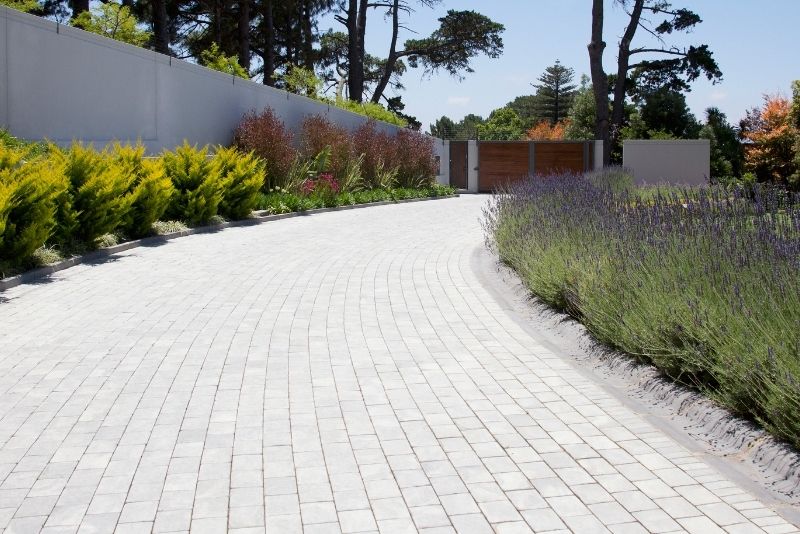
Pre-Installation Planning: Permits, Design, and Site Assessment (Days 1-7)
Before any digging begins, there’s important groundwork to complete. During the first week, your contractor will obtain the necessary permits from the local council authorities. This step is crucial and can’t be skipped—unpermitted work can lead to fines and complications when selling your home.
Concreting Canberra Pro typically spends this time finalising your driveway design, including the exact dimensions, thickness requirements, and any decorative elements like stamped patterns or colored concrete. They’ll also arrange a site assessment to check for underground utilities, evaluate soil conditions, and identify any drainage issues that need addressing.
This is also when you’ll finalise your contract and schedule the installation dates. Your contractor will give you a heads-up about when heavy equipment will arrive and how to prepare your property.
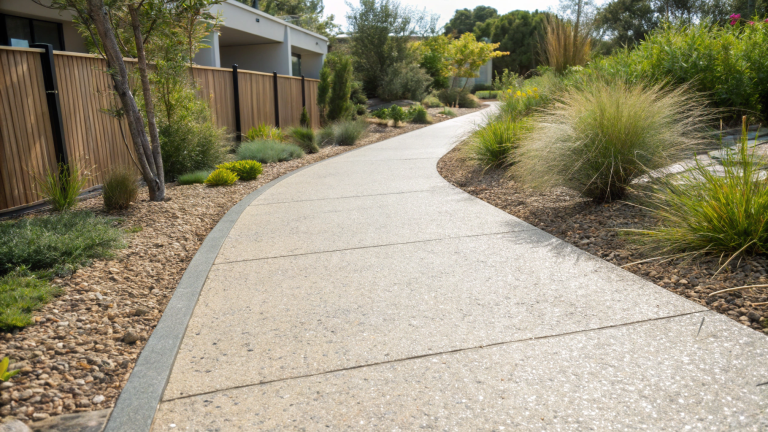
Excavation and Base Preparation: Building a Solid Foundation (Days 8-10)
Once permits are approved, the physical work begins with excavation. Crews will remove the existing driveway material (if applicable) and dig down to the required depth—usually between 8 and 12 inches, depending on your soil type and expected vehicle weight.
What you’ll notice: Heavy machinery on your property, noise, and temporary disruption to your driveway access. You’ll need alternative parking arrangements during this phase.
After excavation, workers install a compacted base layer, typically made of crushed rock or gravel. This base is essential for proper drainage and preventing your concrete from cracking due to ground movement. The crew will compact this material using heavy rollers to create a stable, level foundation. Proper base preparation is what separates driveways that last decades from those that crack within years.
Forming, Grading, and Reinforcement Setup (Day 11)
This phase moves quickly but requires precision. Workers install wooden or metal forms along the edges of your driveway to contain the concrete and create clean, straight edges. These forms also ensure the proper slope for water drainage—you want water flowing away from your home, not pooling on your driveway.
Next comes the reinforcement. Most driveways include either steel mesh or rebar to strengthen the concrete and control cracking. Think of this as the skeleton that holds everything together. The reinforcement is positioned at the correct height within the forms, so it sits in the middle of the concrete slab once poured.
Concreting Canberra Pro also sets up any necessary expansion joints during this phase. These are planned weak points that control where cracks occur as concrete naturally expands and contracts with temperature changes.
Concrete Pour Day: What Happens During the Main Event (Day 12)
This is the exciting part—the day your new driveway takes shape. Concrete trucks arrive early, and the crew works quickly because concrete begins setting immediately.
Workers pour the concrete into the forms, spreading it evenly and ensuring it reaches all corners. They use vibrating tools to remove air pockets and settle the concrete around the reinforcement. Once poured, the real artistry begins: finishing the surface.
The crew will smooth, level, and texture the concrete surface. If you’ve chosen a decorative finish like exposed aggregate or stamped patterns, this happens while the concrete is still workable. The entire pour typically takes 4-6 hours, depending on your driveway size.
Important note: Stay off the fresh concrete completely. Even walking on edges can leave permanent marks.
Curing, Finishing Touches, and When You Can Use Your New Driveway (Days 13-28)
After the pour, patience is essential. Concrete doesn’t just “dry”—it cures through a chemical process that takes time. Workers will apply a curing compound or cover the surface with plastic to retain moisture and ensure proper hardening.
Within 24-48 hours, the forms come off, revealing the edges of your new driveway. While the surface might look ready, it’s not. You can typically walk on your driveway after 3-4 days, but vehicles are a different story.
Wait at least 7 days before driving light vehicles on your driveway, and a full 28 days before parking heavy vehicles or trucks. This waiting period allows the concrete to reach its full strength. Rushing this process can cause surface damage that’s permanent.
Concreting Canberra Pro recommends sealing your driveway 28 days after installation to protect it from stains, moisture, and weather damage.

Ready to Start Your Driveway Project?
Understanding the timeline helps you plan for temporary inconveniences and appreciate the craftsmanship involved in a quality concrete driveway installation. While the process requires patience, the result is a durable, attractive surface that can last 30 years or more with proper care.
Concreting Canberra Pro brings years of local experience to every driveway project, ensuring proper permits, quality materials, and professional installation. Contact them today for a free quote and site assessment—your dream driveway is just a few weeks away.
The post From Planning to Completion: Your Week-by-Week Guide to Getting a New Concrete Driveway appeared first on Concrete Canberra.
from Concrete Canberra https://ift.tt/AP2Dcly
via IFTTT
from Concrete Canberra Pro https://ift.tt/yfsMlXU
via IFTTT


Comments
Post a Comment